


You can generally continue playing an instrument during Invisalign treatment. The practical challenge is finding a routine that supports both music practice and your prescribed aligner wear. Wind and brass players may notice changes in how their mouth feels; string, keyboard and percussion players usually have fewer mouth-related adjustments to consider.
Before treatment starts, tell your orthodontist which instrument you play, how long you practice and whether an audition or performance is approaching. Halabi Orthodontics offers Invisalign for kids and teens in Brooklyn, and the consultation is the right time to discuss your actual rehearsal schedule.
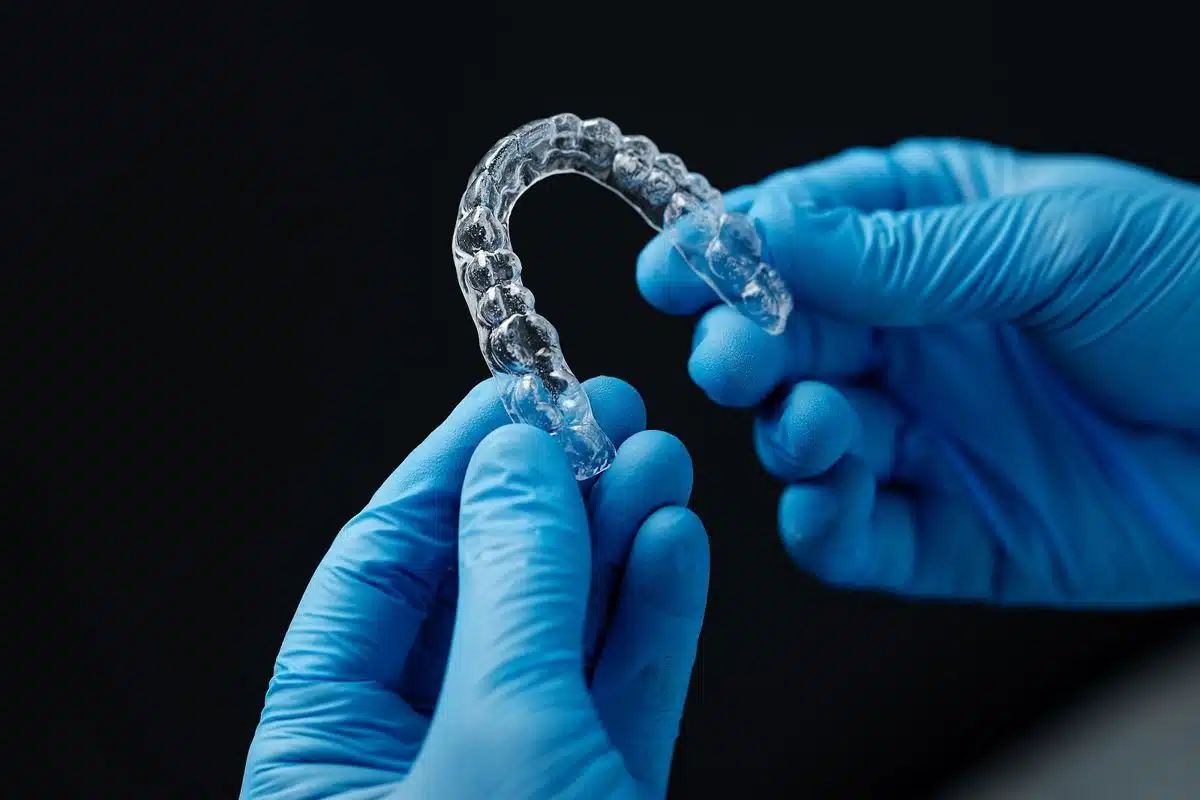
Why the instrument matters
Playing a trumpet, clarinet or flute involves different contact between the lips, teeth, tongue and mouthpiece. Your embouchure—the way you position and use your mouth—may feel different when an aligner covers the teeth.
That does not tell you in advance how much adjustment you will need. A tray’s presence may be more noticeable to one musician than another. Attachments on the teeth can also be relevant to comfort and should be discussed before assuming that removing an aligner eliminates every change.
Avoid promises that your sound will be unaffected or that you will adapt within a set number of days. A better plan is to observe what happens during ordinary practice and explain specific difficulties to your orthodontist and music teacher.
Do you need to remove the aligners to play?
Do not assume that every musician should remove them, or that every instrument can be played comfortably with them in. Ask the orthodontist what is appropriate for your treatment and instrument. If you are told that playing with aligners in is suitable, try that approach during practice before relying on it at a performance.
If removal is needed, the time counts toward the total period the trays are out. The manufacturer’s treatment guide emphasizes consistent daily wear. Halabi’s teen page also describes a prescribed wear routine and clinician-directed tray changes.
A long rehearsal plus meals, snacks and cleaning can add up. Discuss the full day instead of looking at music practice in isolation. Do not shorten a prescribed stage, skip ahead or double up on trays to compensate for time out.
A rehearsal-day plan that is actually useful
Write down when the trays are likely to be out on a typical rehearsal day. Include breakfast, lunch, dinner and any instrument-related removal. Then bring that schedule to the orthodontic team.
Useful questions include:
- Can I play this instrument with the aligners in?
- If removal is needed, how can we protect the prescribed wear routine?
- Could attachments affect where my lips rest against my teeth?
- What should I report if the mouthpiece feels uncomfortable?
- How should I handle a performance near a planned tray change?
The goal is a specific plan, not permission to change treatment whenever practice runs late. If the routine is not workable, explain that early so the team can consider appropriate options.
Keep the case as close as the instrument case
If you remove aligners, put them straight into their protective case. A tissue on a music stand or a tray left on a cafeteria table is easy to discard. Label the case so someone can return it without needing to handle the trays.
Keep hands clean before handling aligners, and follow your orthodontist’s cleaning instructions. Avoid leaving the case in heat, such as a parked car during a summer rehearsal. Continue cleaning your instrument’s mouthpiece according to the instrument maker’s or teacher’s guidance; aligner care does not replace instrument hygiene.
For drinks and snacks, follow your aligner instructions. Removing trays for a drink is also time out, which is another reason to plan around the whole rehearsal rather than treating each break separately.
Describe a problem precisely
“Playing feels different” is a useful start, but details help. Explain which instrument you play, whether the trays were in or out, whether the issue began with a new set and where discomfort occurs. Tell the team if a tray has a sharp edge or does not seat normally.
Do not trim the aligner or remove an attachment yourself to make the mouthpiece fit differently. If there is persistent pain, a sore area or an appliance problem, ask for clinical guidance. A music teacher can help assess playing technique, while the orthodontic team assesses the teeth and appliances.
Common questions from teen musicians
Will Invisalign permanently change my sound? An article cannot predict an individual musician’s experience. Discuss changes during practice and distinguish a temporary adjustment in feel from pain or an appliance problem.
Is Invisalign always better than braces for a musician? No. Removability is one consideration, but bite correction, wear habits and the instrument all matter. Ask for a recommendation based on your situation.
Can I leave trays out for a concert and make up the time later? Do not create your own compensation schedule. Ask the orthodontist how to manage the event within the prescribed plan.
Should I start just before an audition? Mention the audition before treatment is scheduled. The team can discuss timing without promising that treatment will have no effect on rehearsal.
What if practice makes me forget to put the trays back? Use a reliable cue, such as putting the case beside your packed instrument, and tell your orthodontist if missed wear becomes a pattern.
Bring your instrument schedule to a Halabi consultation. You can review how Invisalign treatment works and ask for a plan that supports both treatment and music.



 What patients are saying
 Your smile our passion
 News and Events
