


Thinking about braces often brings up one concern right away. Do braces hurt, and if so, how much? That question is common for teens, adults, and parents alike. Worry about pain can stop people from moving forward, even when they know orthodontic care could help their smile and oral health.
The truth is that braces can cause some discomfort, especially at certain stages of treatment. Orthodontic appliances work by applying gentle pressure to move teeth into better positions. This article explains what patients usually feel when soreness tends to show up, and how manageable the experience is for most people.
Braces Pain Timeline: What Patients Typically Feel
Most patients notice sensations at predictable points during orthodontic care. The first feeling is pressure, not sharp pain. Teeth respond as they begin to shift, and the surrounding tissues need time to adjust. For many people, this feels like soreness rather than true pain.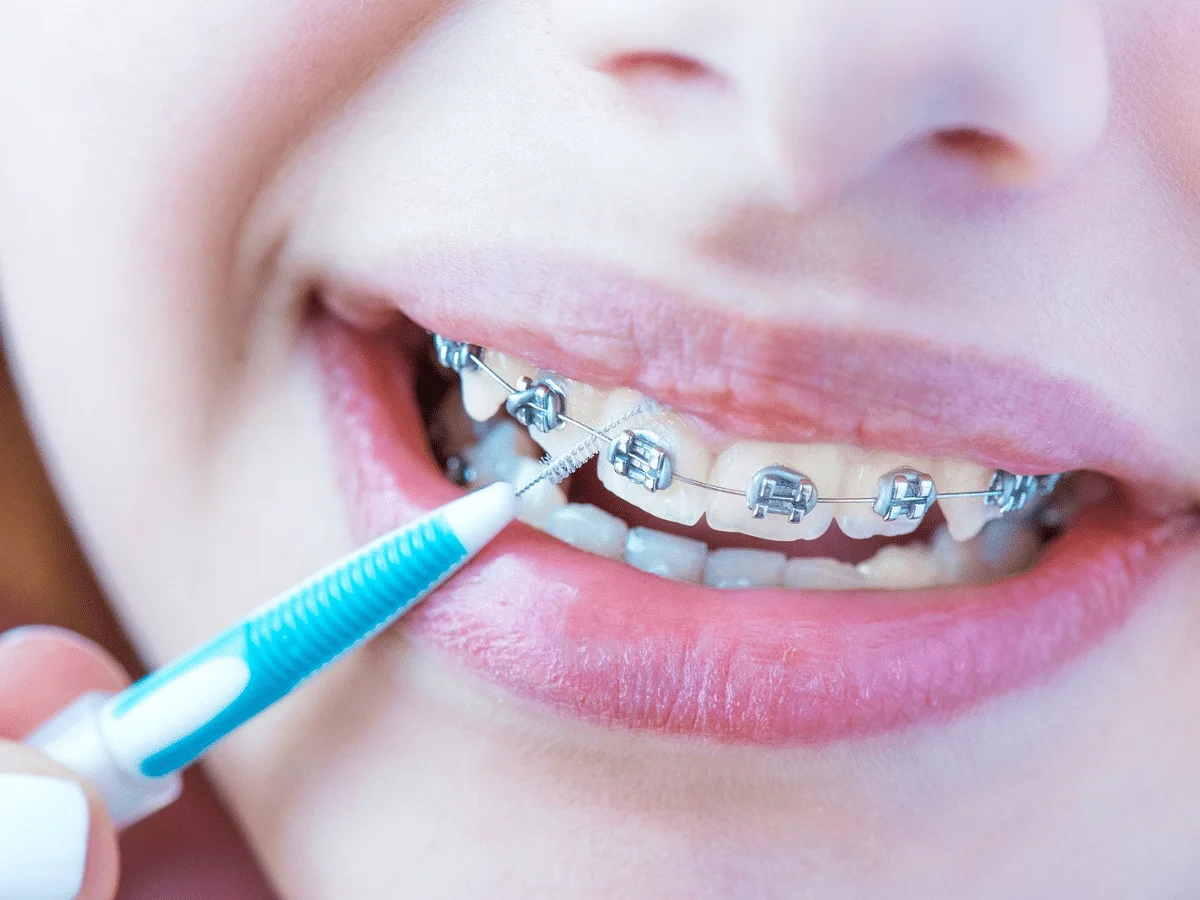
A brace’s pain timeline often follows a simple pattern.
- Mild pressure during the first few hours
- Increased soreness over the next one to three days
- Gradual relief as the mouth adapts. This progression helps explain why discomfort does not stay constant.
After the initial adjustment period, daily life usually feels normal again. Eating, speaking, and oral hygiene become easier as the mouth settles. Some sensitivity can return after adjustments, but it tends to be shorter and less intense than the first experience.
Does Getting Braces Hurt More Than Patients Expect?
Many people assume braces cause constant pain. That expectation often comes from stories shared online or by friends. In reality, most patients are surprised by how manageable the experience feels once treatment begins.
So, does getting braces hurt as much as people imagine? For most patients, the answer is no. The discomfort is usually mild to moderate and shows up in short phases. It does not interfere with daily routines for long.
Pain perception also varies from person to person. Age, sensitivity, and the type of orthodontic appliance all play a role. Understanding this helps set realistic expectations and reduces anxiety before treatment starts.
Why Braces Cause Pressure and Soreness
Braces work by applying a steady force to the teeth. This pressure signals the bone and ligaments to adjust so that teeth can move into healthier positions. That biological response is what creates soreness.
Many patients ask, Do braces hurt because something is wrong? In most cases, the answer is no. The pressure means the treatment is working as planned. The tissues around the teeth are adapting to change, which naturally causes sensitivity.
This type of discomfort is temporary. It should feel dull or achy, not sharp. Pain that feels intense or does not improve should always be discussed with an orthodontist.
Braces Discomfort First Week: What’s Normal
The first week with braces is usually the most noticeable. Teeth, gums, and cheeks are adjusting to new pressure and new surfaces in the mouth. This period can feel uncomfortable, but it is expected and short-lived.
Brace discomfort first week. Symptoms often include tenderness when chewing and sensitivity to pressure. Soft foods help during this time. Cold drinks can also provide temporary relief.
Common first-week experiences include:
- Soreness when biting down
- Mild irritation on the cheeks or lips
- Sensitivity to temperature
These sensations usually lessen as the mouth adapts. By the end of the week, most patients report a clear improvement.
Simple Ways Patients Manage Braces’ Discomfort
Most patients find that small adjustments make a big difference. Discomfort does not mean treatment has to disrupt daily life. With a few practical habits, soreness is easier to handle.
Soft foods reduce strain on sensitive teeth during sore periods. Over-the-counter pain relief may help when approved by a dental professional. Orthodontic wax can protect the cheeks and lips from irritation caused by brackets or wires.
It is also important to pay attention to changes. Mild soreness is expected, but pain that feels sharp or does not improve should be checked. Reaching out early helps prevent minor issues from becoming larger concerns.
Tips for Reducing Bracing Discomfort
There are simple steps patients can take to make braces more comfortable. Eating softer foods during the first few days after getting braces or after adjustments can reduce pressure on your teeth.
Rinsing with warm salt water or using orthodontic wax can soothe irritated gums and cheeks. Over-the-counter pain relief can help if approved by your orthodontist. Paying attention to these small habits can make a noticeable difference in how manageable the treatment feels.
Frequently Asked Questions About Braces Pain
Do braces hurt every time they are adjusted?
Adjustments can cause mild soreness for a day or two. The sensation is usually less noticeable than the first time braces are placed.
Can braces pain affect sleep?
Some patients notice discomfort at night during the first few days. This usually improves quickly as the mouth adjusts to the new position.
Is braces pain different for teens and adults?
Adults may notice soreness more because their bones are less flexible. Teens often adapt faster, but both groups experience similar types of discomfort.
How long does the braces pain usually last after adjustments?
Most soreness peaks within one to three days and then gradually fades. By the end of the week, normal comfort levels usually return.
Are there ways to prevent braces pain altogether?
You cannot completely prevent soreness, but using soft foods, pain relievers when appropriate, and orthodontic wax can reduce discomfort. Consistent oral care also helps keep tissues healthy.
Get to Know Halabi Orthodontics
At Halabi Orthodontics, we focus on making orthodontic treatment as comfortable as possible. I’m Dr. Eli Halabi, and my team and I guide patients through every step of braces or Invisalign care. Our goal is to provide clear information, support, and reassurance so that discomfort is easier to manage. We want every patient to feel confident about their treatment.
We are proud to serve families across Brooklyn, NY, and the surrounding communities. Our practice emphasizes patient-centered care and creating a positive experience at every visit.
If you are considering braces or Invisalign, we invite you to schedule a consultation and see how we can help you achieve a healthy, beautiful smile.

 What patients are saying
 Your smile our passion
 News and Events